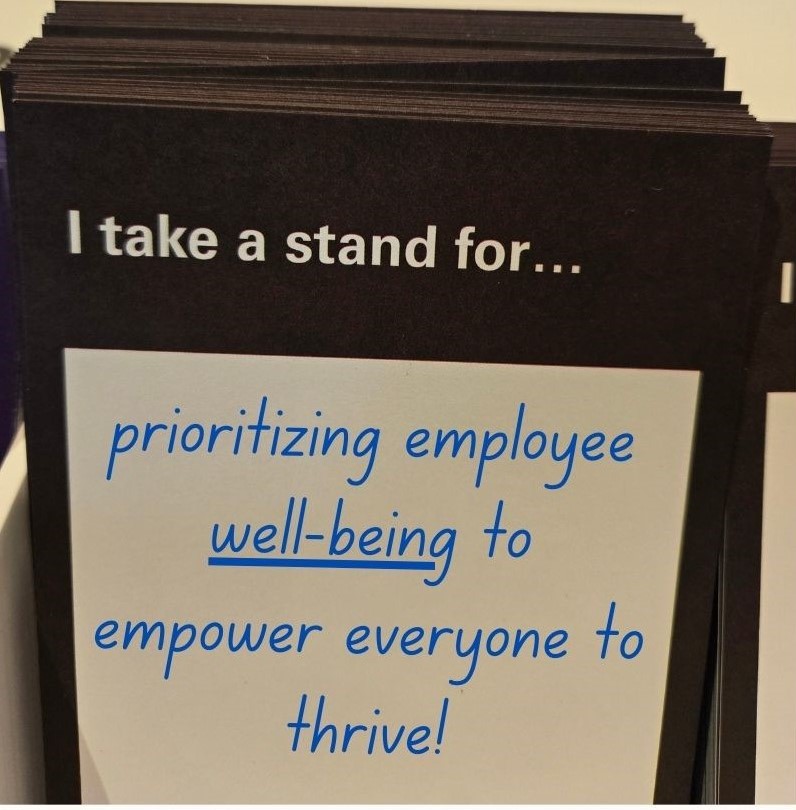
Isn’t it wonderful to see that the conversation around employee well-being has shifted from a nice-to-have to a must-have! As organizations navigate the complexities of a post-pandemic world, it’s clear that prioritizing the health and happiness of our workforce is not just beneficial—it’s essential for success. This marks another significant shift for all of us, placing L&D at the heart of the action! With over 15 years of experience in L&D, I’ve witnessed firsthand the incredible potential we have to make a difference. We stand at the intersection of culture and support, equipped to foster environments that not only enhance job performance but also enrich lives.
As we start this journey to promote well-being, it’s important to recognize that our role extends far beyond traditional training programs. We have the unique opportunity to influence mindsets, empower individuals, and create a workplace culture where well-being is seamlessly integrated into everyday practices.
How can we leverage our expertise to nurture a thriving environment for our colleagues, ensuring that every employee feels valued, supported, and ready to succeed—both personally and professionally? To ensure that we are making a meaningful impact, let’s consider the following questions as we review our existing programs:
- Do our programs align with overall well-being goals and foster a culture of health?
- How do we assess and update employee well-being needs across programs?
- Are our programs accessible to all employees, accommodating diverse needs?
- How do we measure the effectiveness of our programs on well-being?
- How do our programs interact to support employee well-being, and can we improve integration?
- Do leaders actively promote well-being initiatives, and how can we enhance their involvement?
- How adaptable are our programs to changing employee needs and challenges?
- How effectively do we communicate the goals and benefits of our well-being programs?
- What systems are in place for employee feedback on program impact and improvements?
- Do our programs address physical, mental, emotional, and social health dimensions?
Prioritizing employee well-being is not just a trend—it’s a vital investment in creating a healthier and more fulfilling workplace for everyone.
By evaluating all existing programs through the lens of employee well-being, we can ensure that the initiatives not only meet business objectives but also support and enhance the overall health and happiness of our workforce. This comprehensive approach can lead to more engaged, productive, and satisfied teams.
I’d love to hear about your experiences with well-being strategies. What initiatives have worked best for you?

