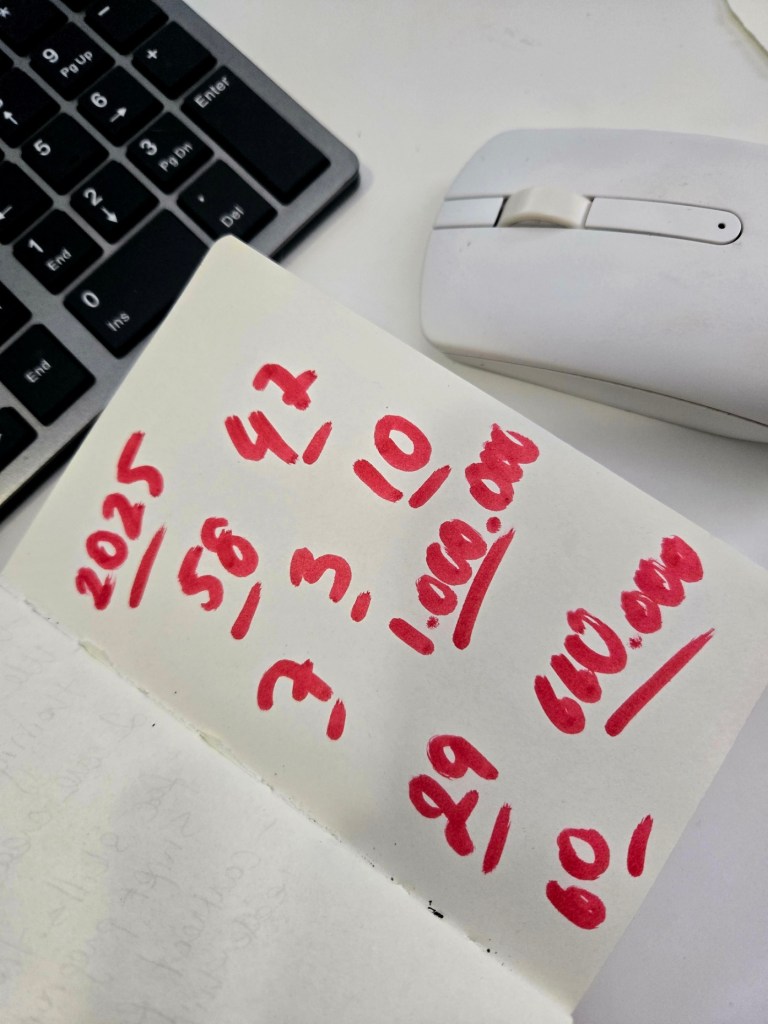
Age, performance, wealth, health, weight, friends, likes—our lives are filled with numbers. We measure everything. But at what point did these numbers start controlling our emotions? When they’re low, we feel disappointed. When they’re high, we feel validated. How did they gain so much power over us?
Winning a race and coming in first can feel amazing—yet sometimes, being at the top can feel lonely. Seeing a high number on the scale might bring feelings of guilt, shame, or sadness. A low bank account balance might make you feel like a failure, while a large trust fund might create the illusion of lifelong security. A poor grade might make you want to give up. A grand bouquet with dozens of roses can make you feel loved. A low-performance review score might make you question your worth.
We see high engagement on a social media post and feel supported. If the numbers are low, we might wonder if anyone cares. A long list of online friends might make us feel surrounded—yet, does it truly reflect the depth of our connections?
Numbers—when did we start associating them with our emotions? When did we let them make us feel like we are NOT ENOUGH? Have we gone too far in measuring everything? Have we given data too much power over how we feel?
Maybe it’s time to break free from this cycle. Numbers are meant to measure, not to define. They are what they are—nothing more, nothing less. If we stop giving them power, they return to their original purpose: providing information. We can look at the data, understand what it tells us, and decide if any action is needed. That’s it.
Sometimes VIM means 1006 in Roman numerals, not a feeling! DO NOT LET NUMBERS CONTROL YOUR EMOTIONS.
 Lifelong Learner